
The Labyrinth: An AI Film Pipeline Experiment
Why We Did This
I started The Labyrinth with Safari Sosebee as an experiment to better understand how AI impacts pre-production - especially within art direction and CG workflows.
Using Simon Stålenhag’s The Labyrinth as a loose reference, we approached it like a live-action film project, focusing on worldbuilding, visual development, and shot design rather than a direct adaptation. The goal was to figure out where it helps in a
How I Ran the Experiment
I ran this as a full art department and CG worldbuilding pipeline inside Unreal Engine, treating it like a real project from development through early production and post.
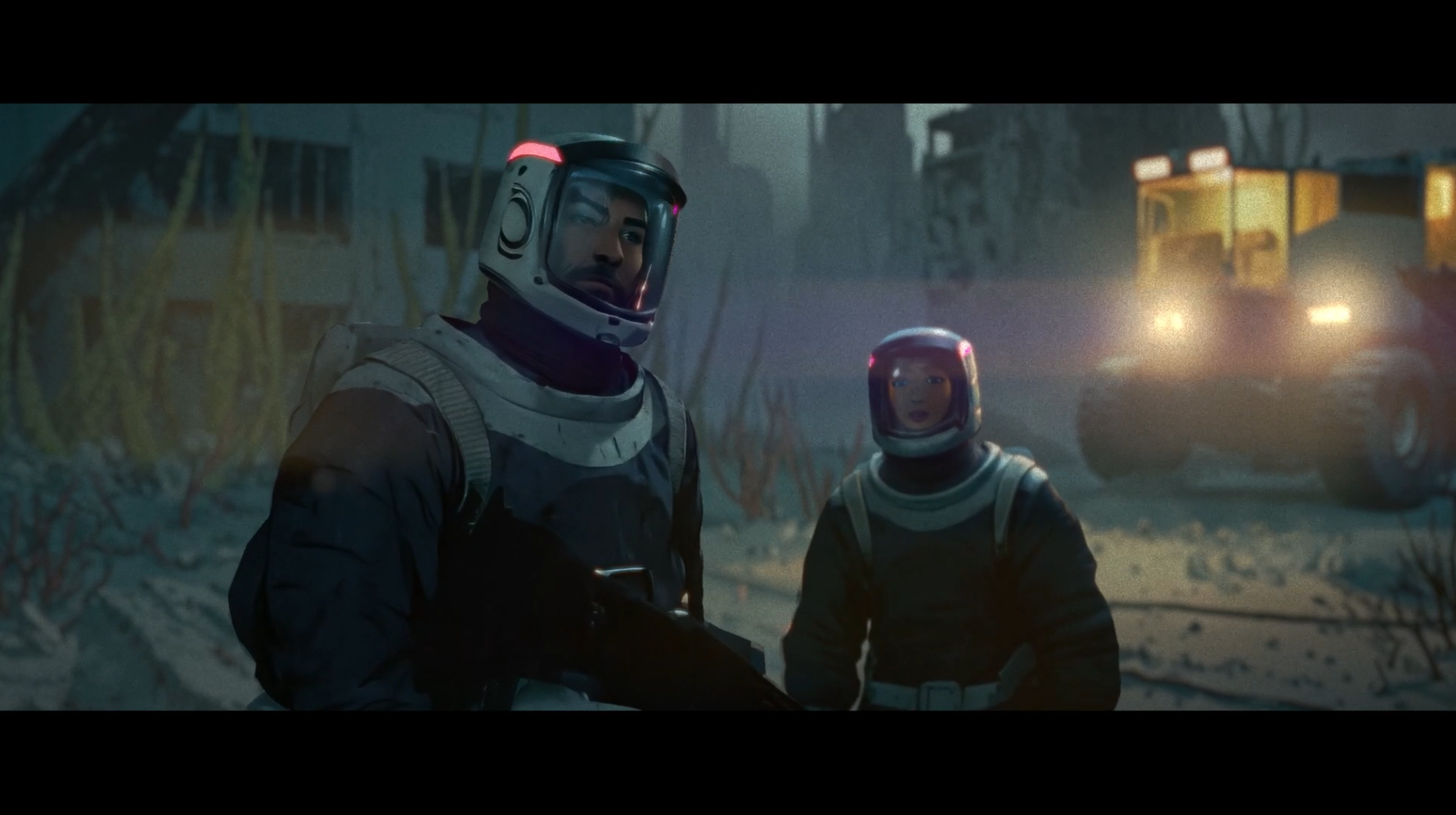
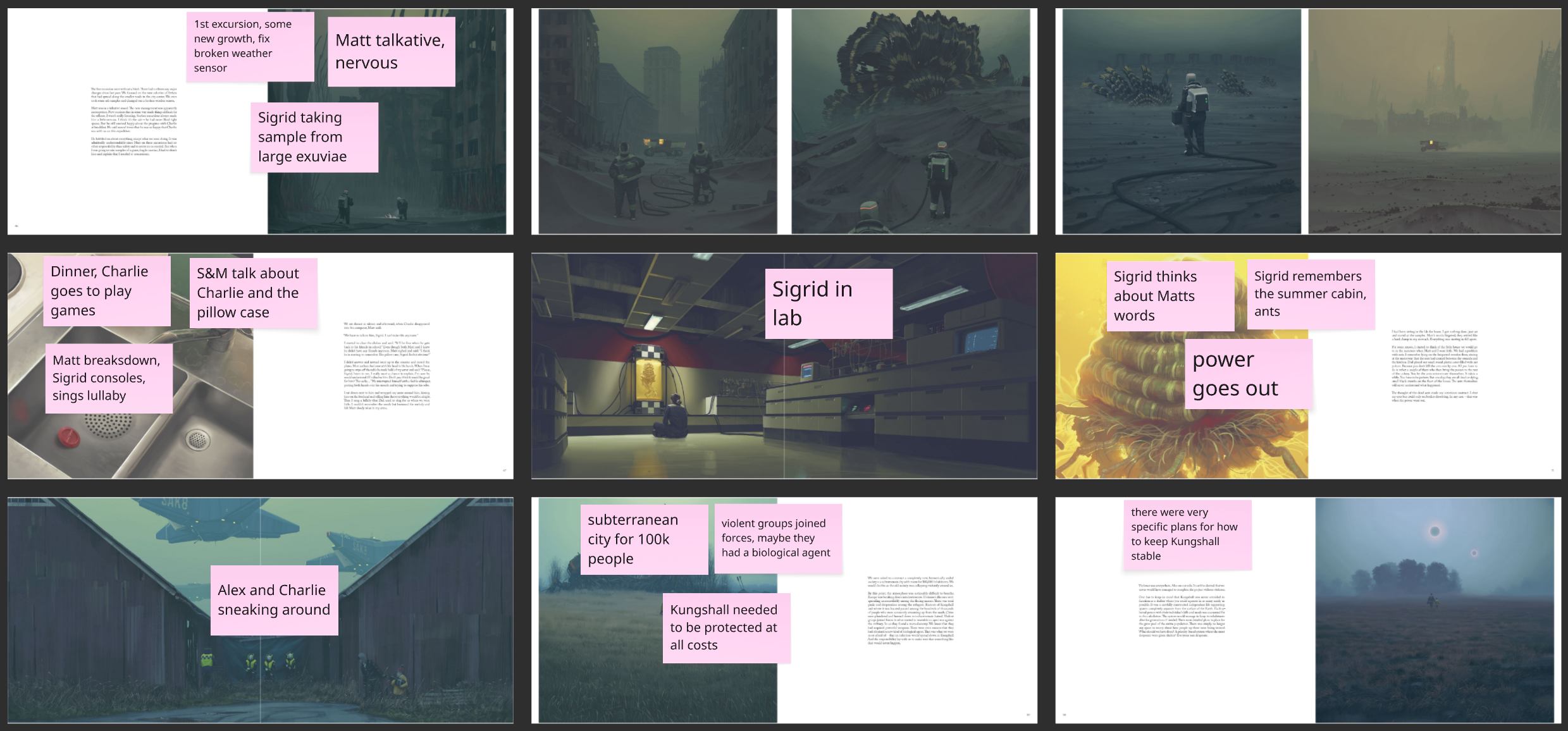
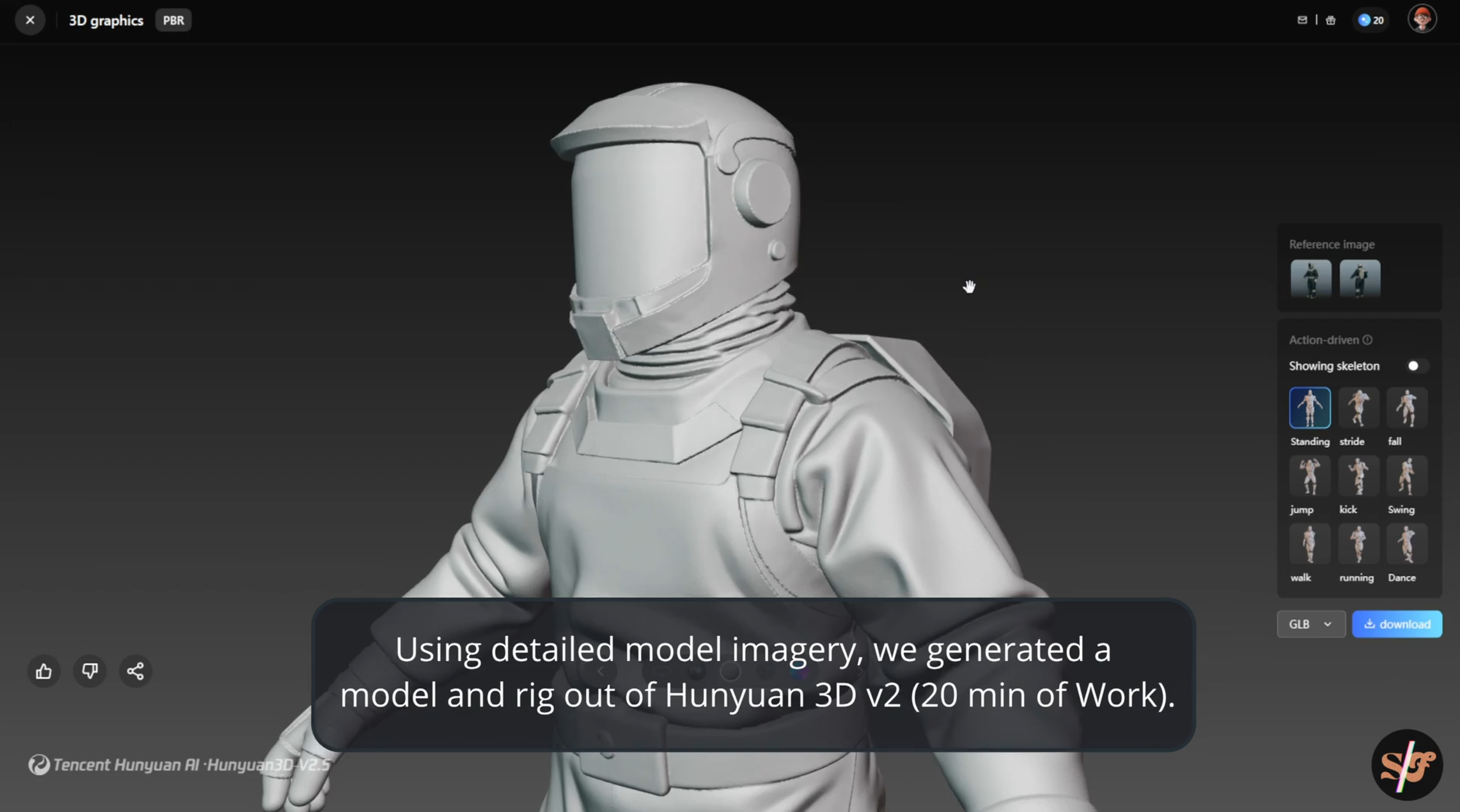
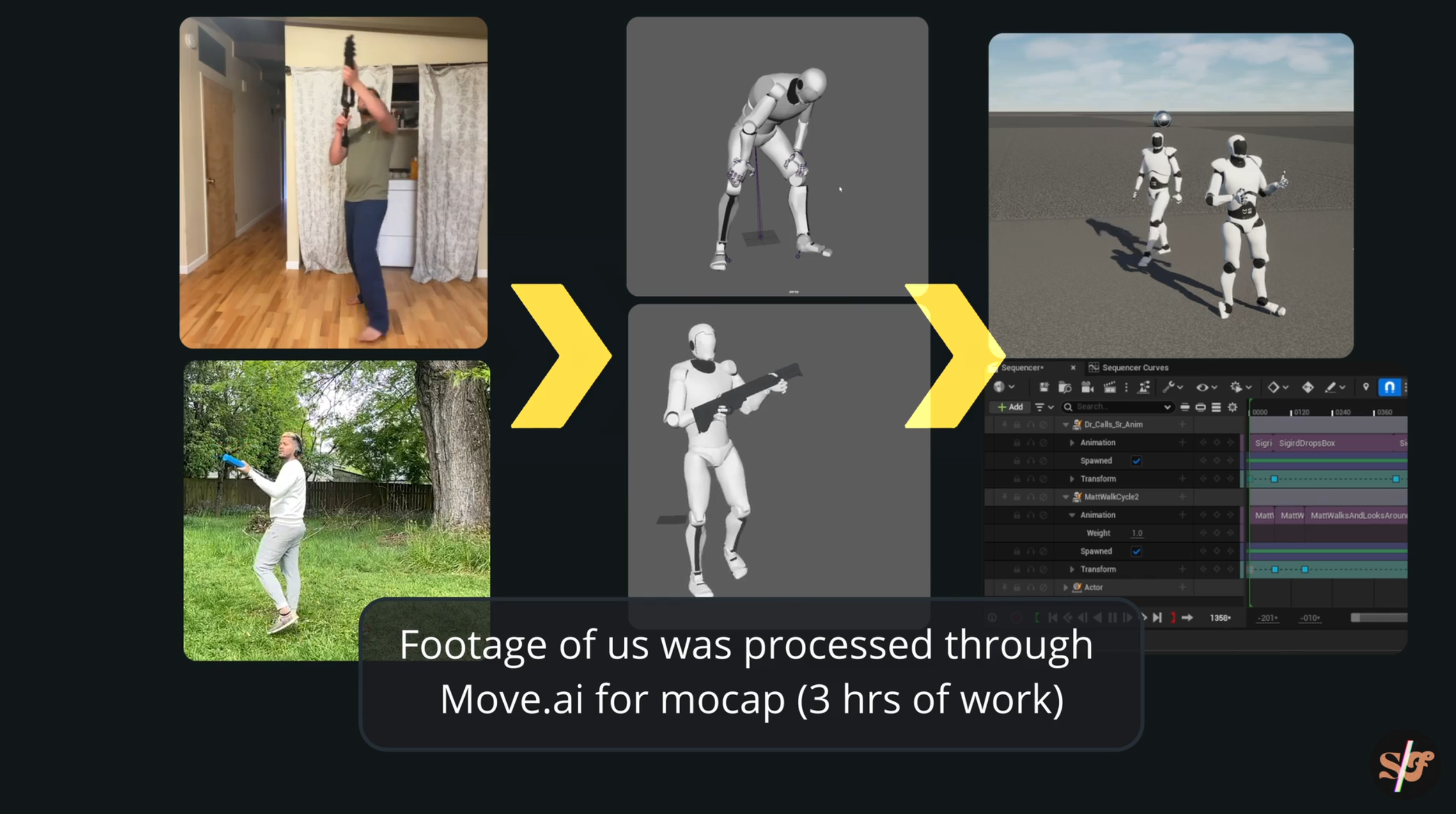
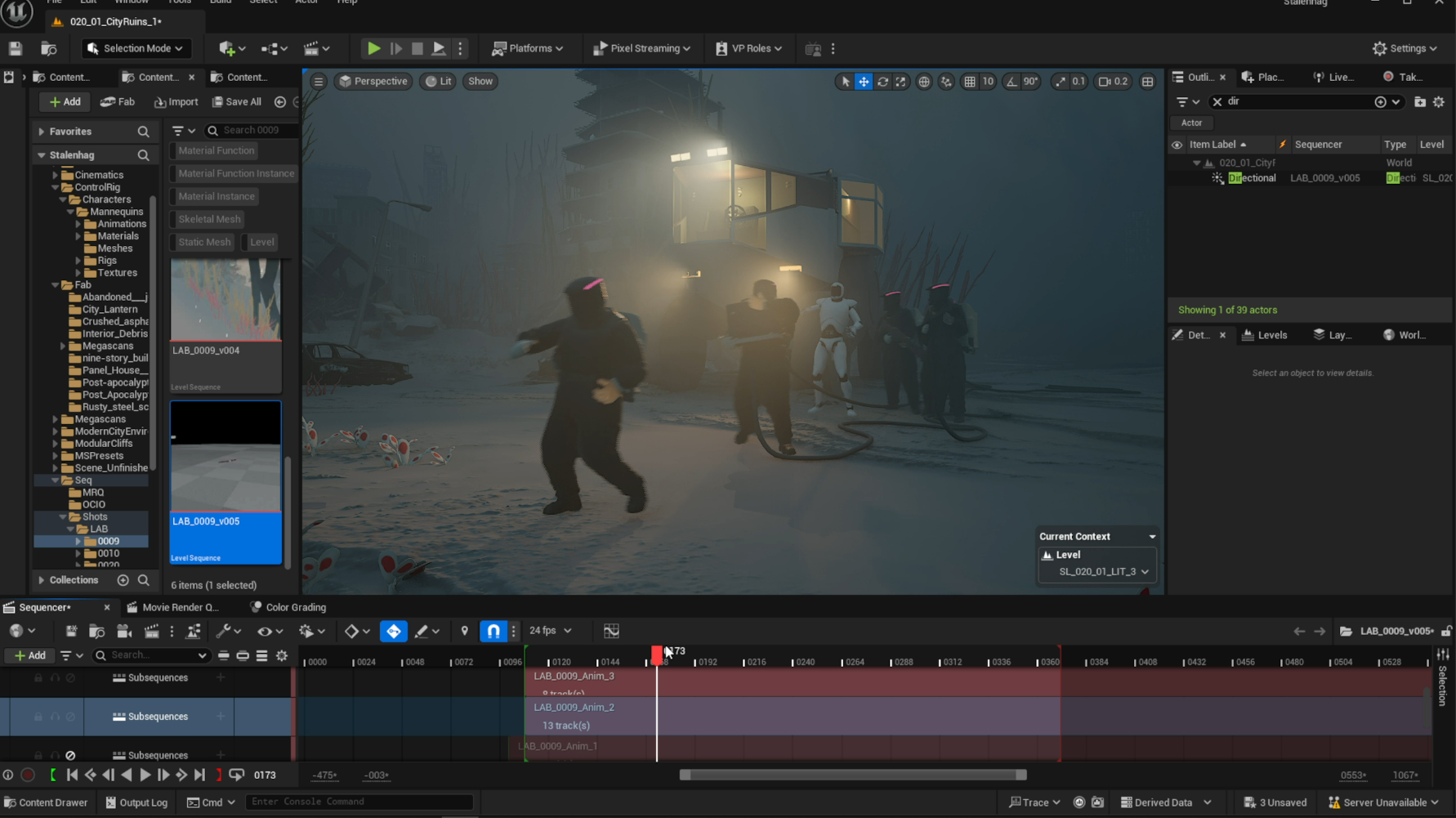
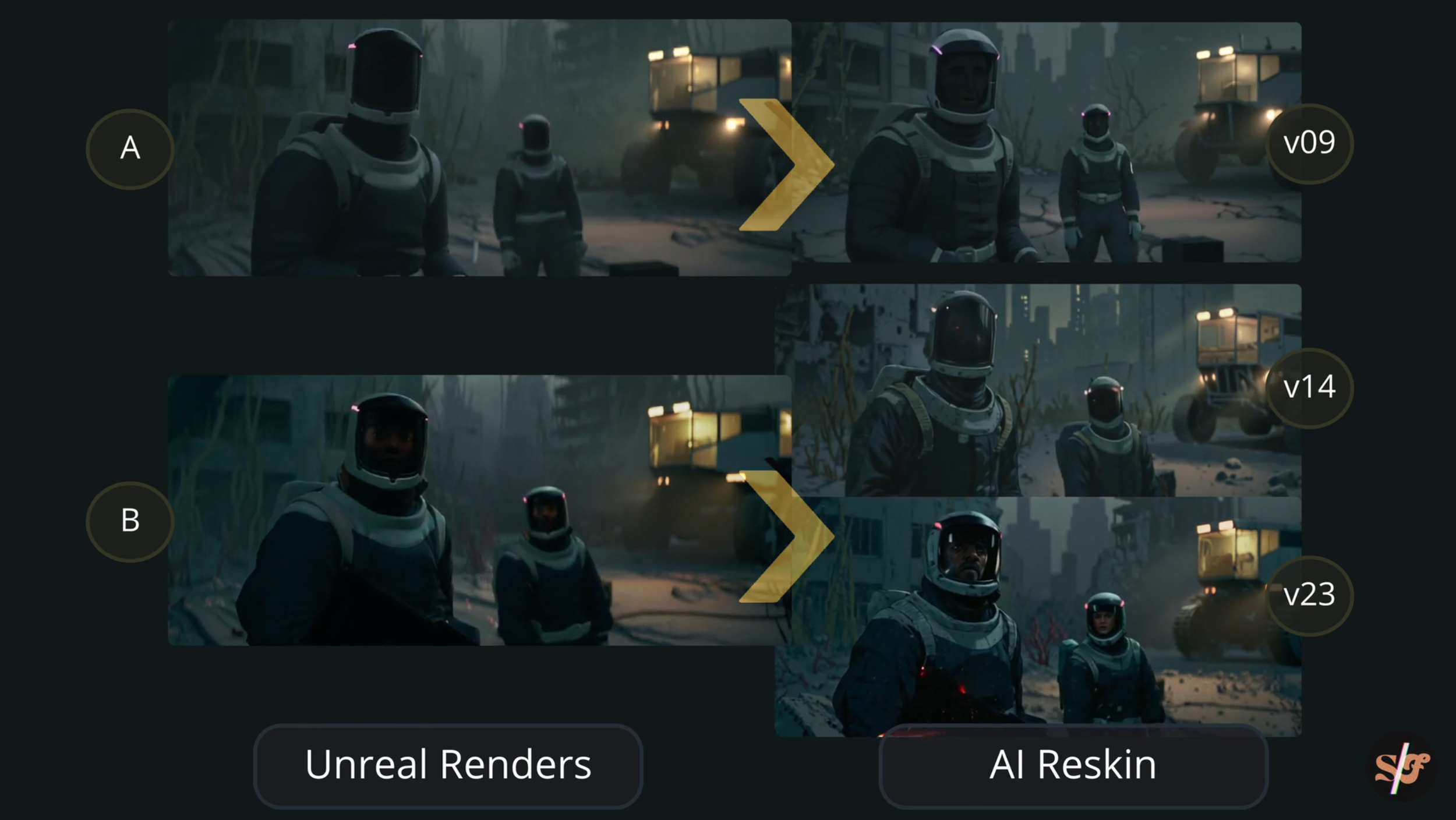
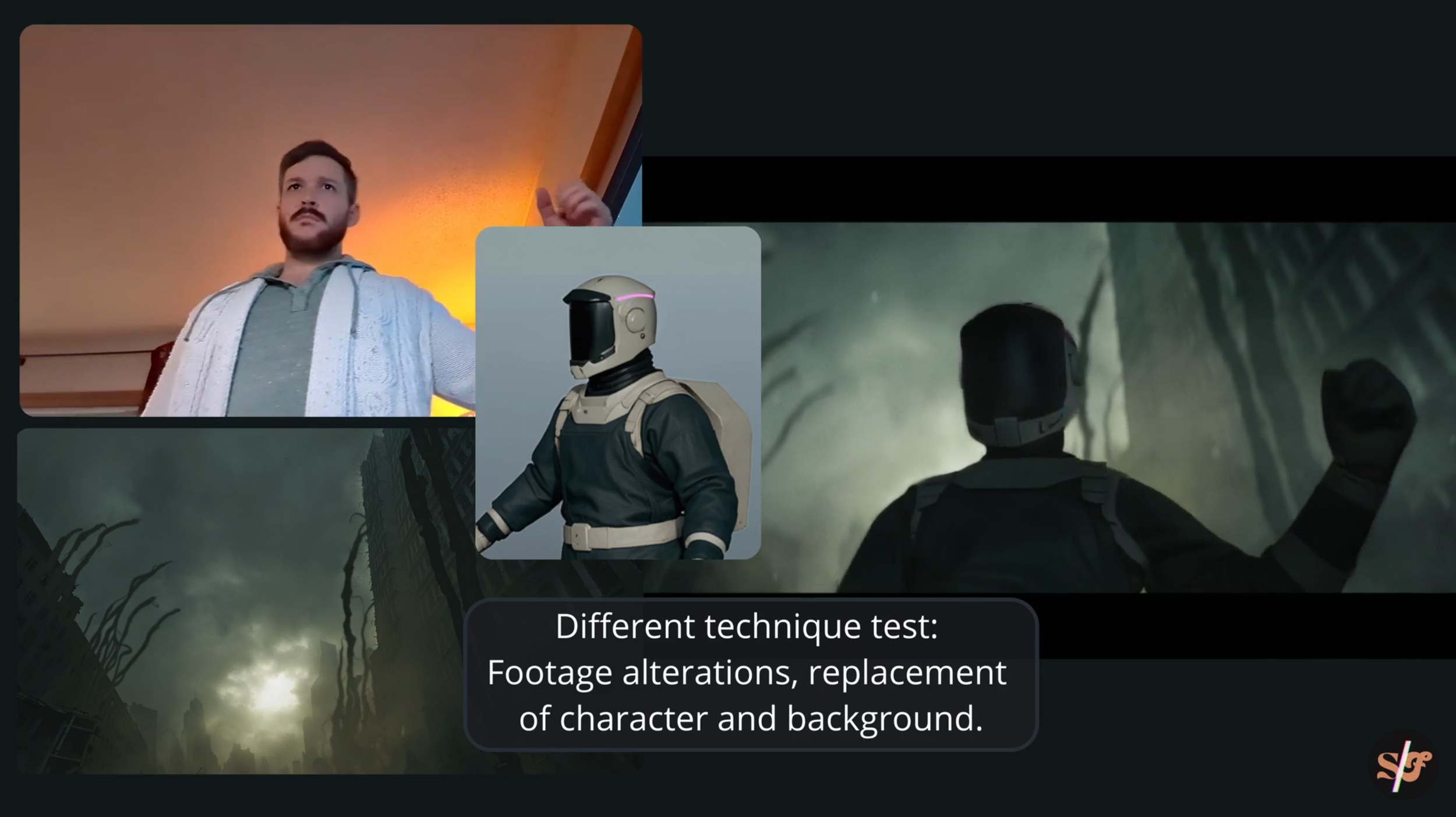
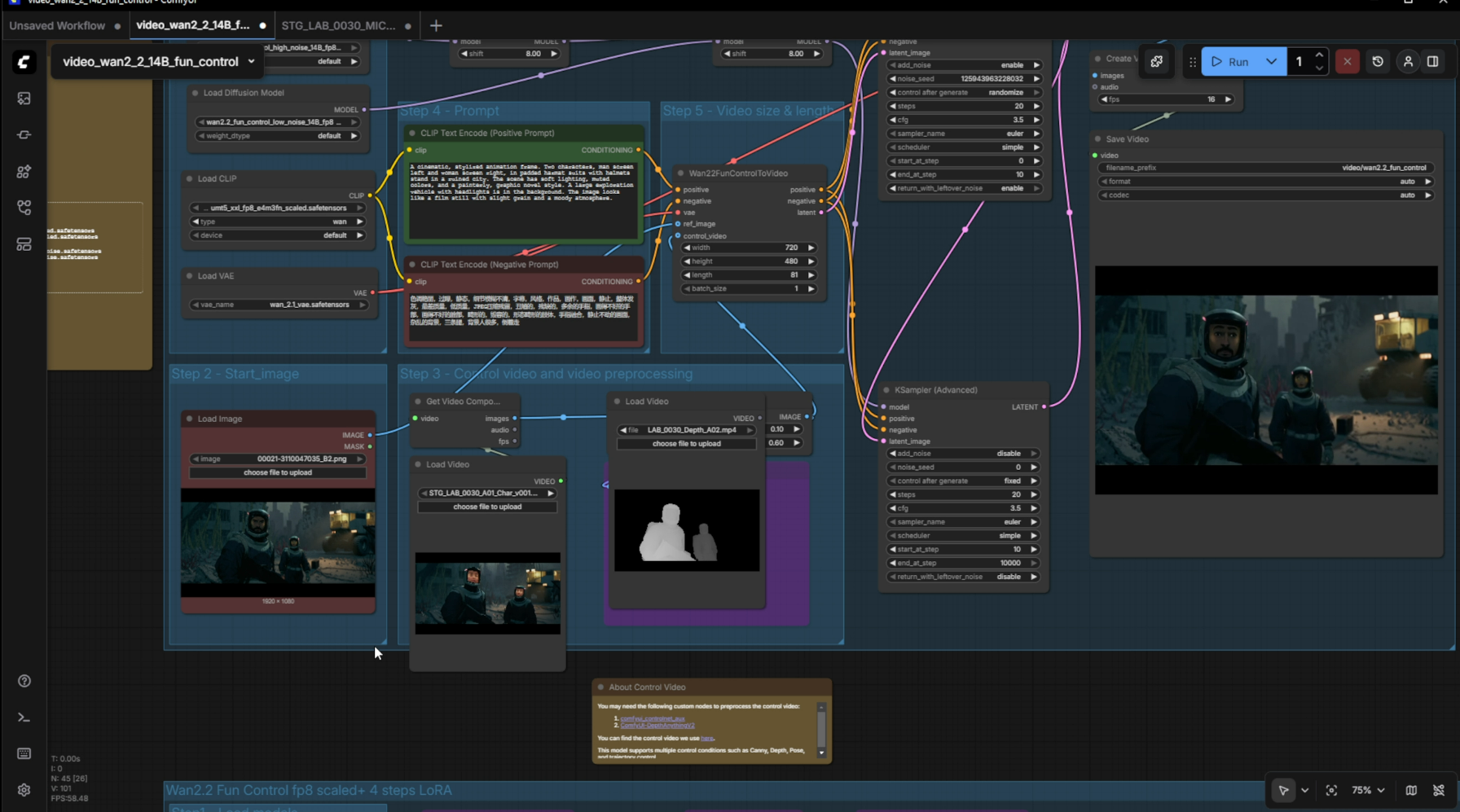
We covered concepting, environment and character creation, previs, shot layout, animation, lighting, rendering, and compositing - deliberately comparing hand-built and AI-assisted approaches at each stage, with Unreal as the central hub. AI was used to explore multiple visual directions quickly, then pressure-tested through more traditional workflows.
What I Learned
This experiment helped me clearly see where this kind of AI tools add value, and where they don’t hold up.
There were a few areas where AI proved practical and useful, but many more where it over-promised. What I walked away with was a grounded, hands-on understanding of where these tools actually fit across live-action and digital art pipelines.
More importantly, it shifted how I think about using them - they’re not going to make your movie for you. They feel closer to the impact Unreal Engine has had on the industry: powerful when used intentionally, and something that can be meaningfully leveraged on future projects.
The Team:
Felix Jorge:
Creative Director / Producer
Safari Sosebee:
Art Director / Principle Creative
